Industrial Archeology and Alessandro Rossi
La Roggia Maestra
Promotion
Apertura Chiesa di San Francesco e concerto Ensemble Triquetra
Un luogo affascinante, da scoprire più a fondo con la visita guidata gratuita e le...
Start: 06 Sep 16:00
End at: 06 Sep 18:00
Description
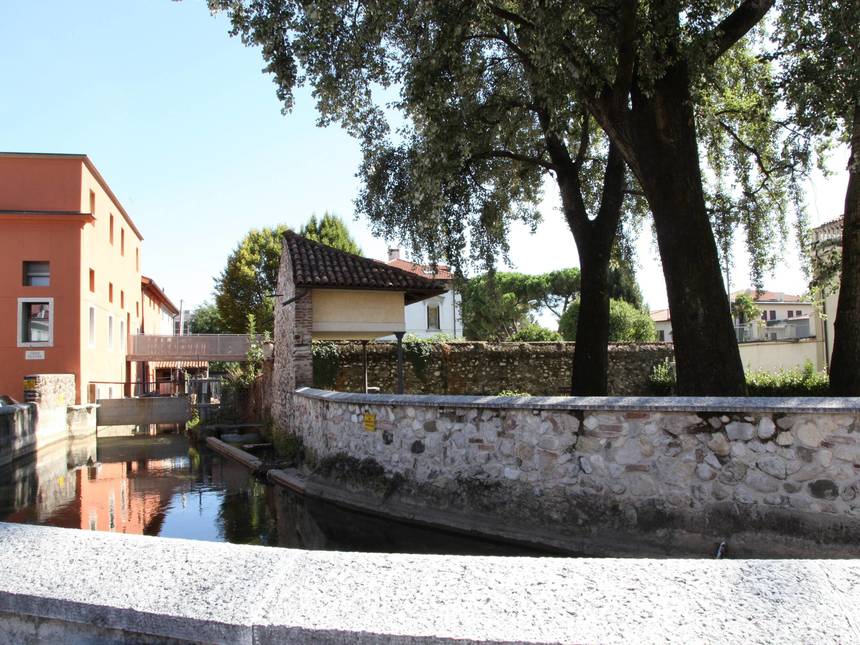
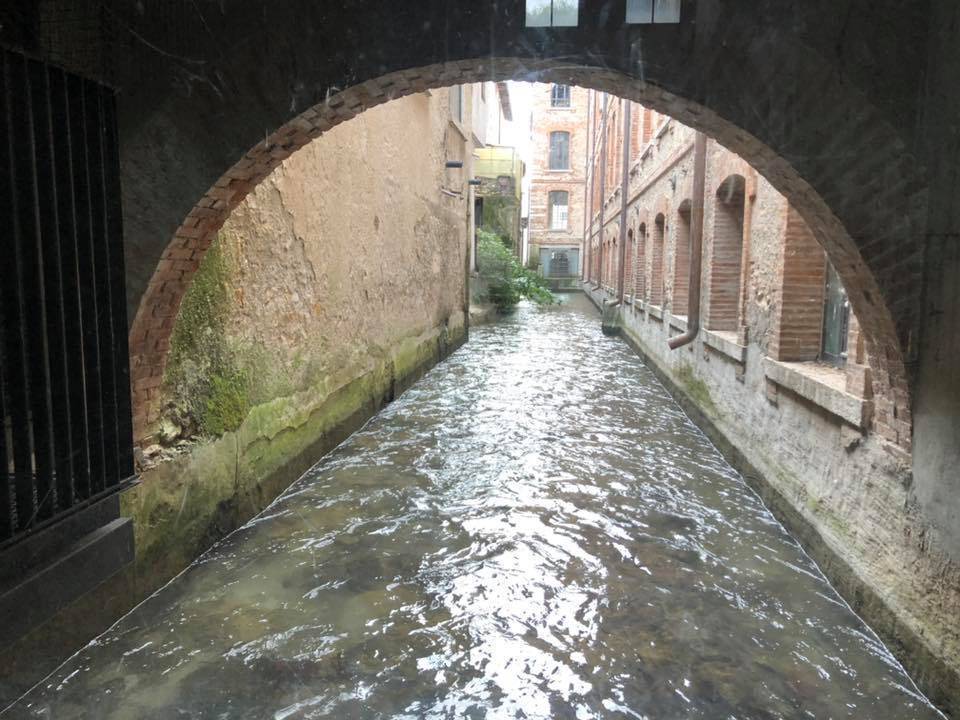
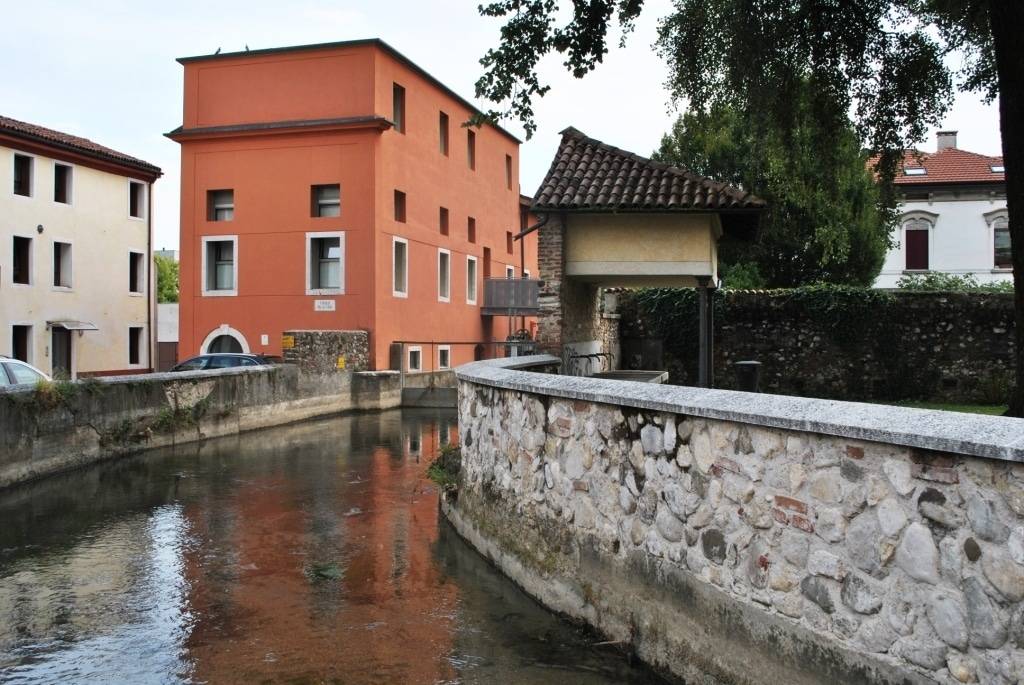
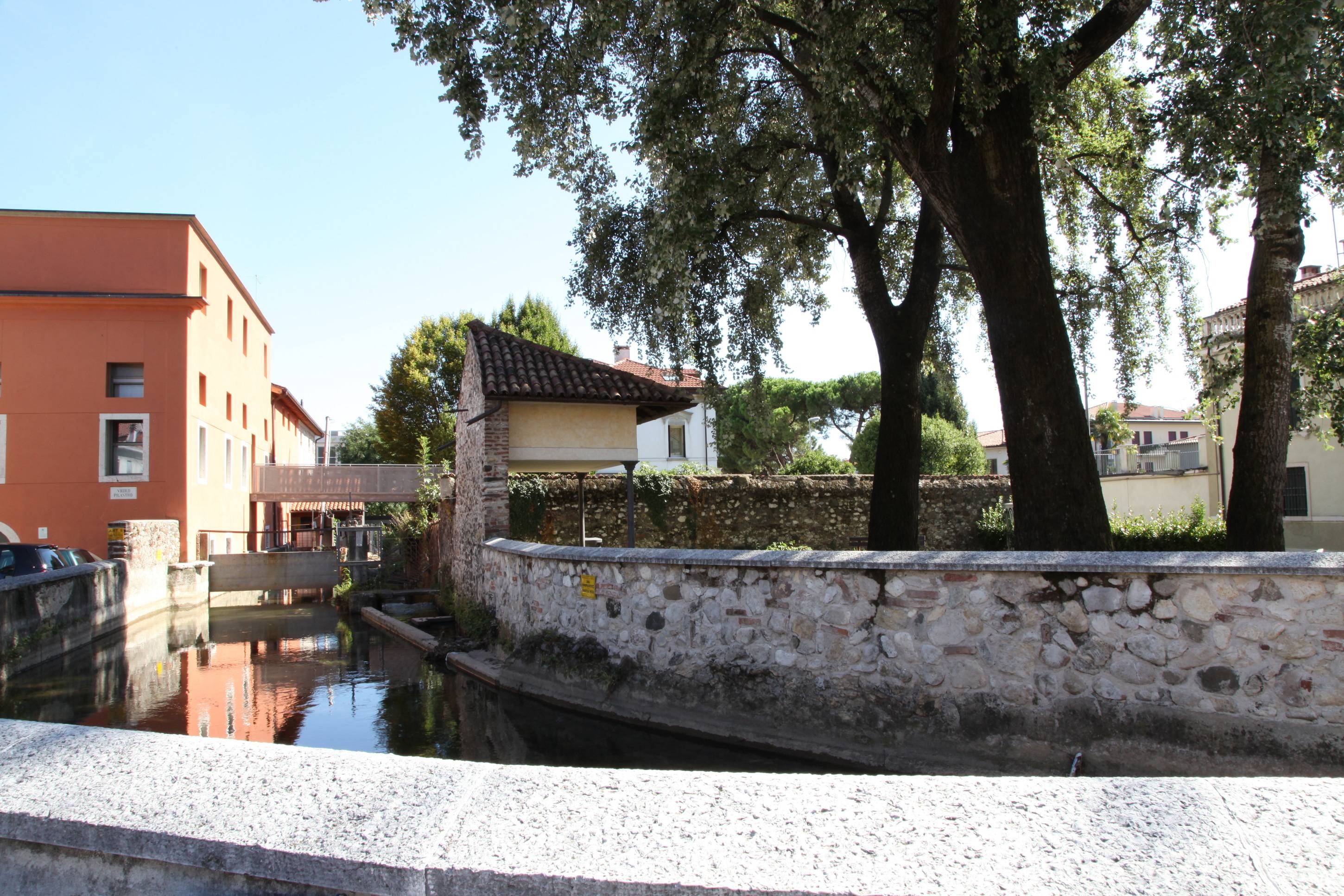
Roggia Maestra is an artificial canal which originates from Torrebelvicino, it crosses the urban centre and ends up in Marano.
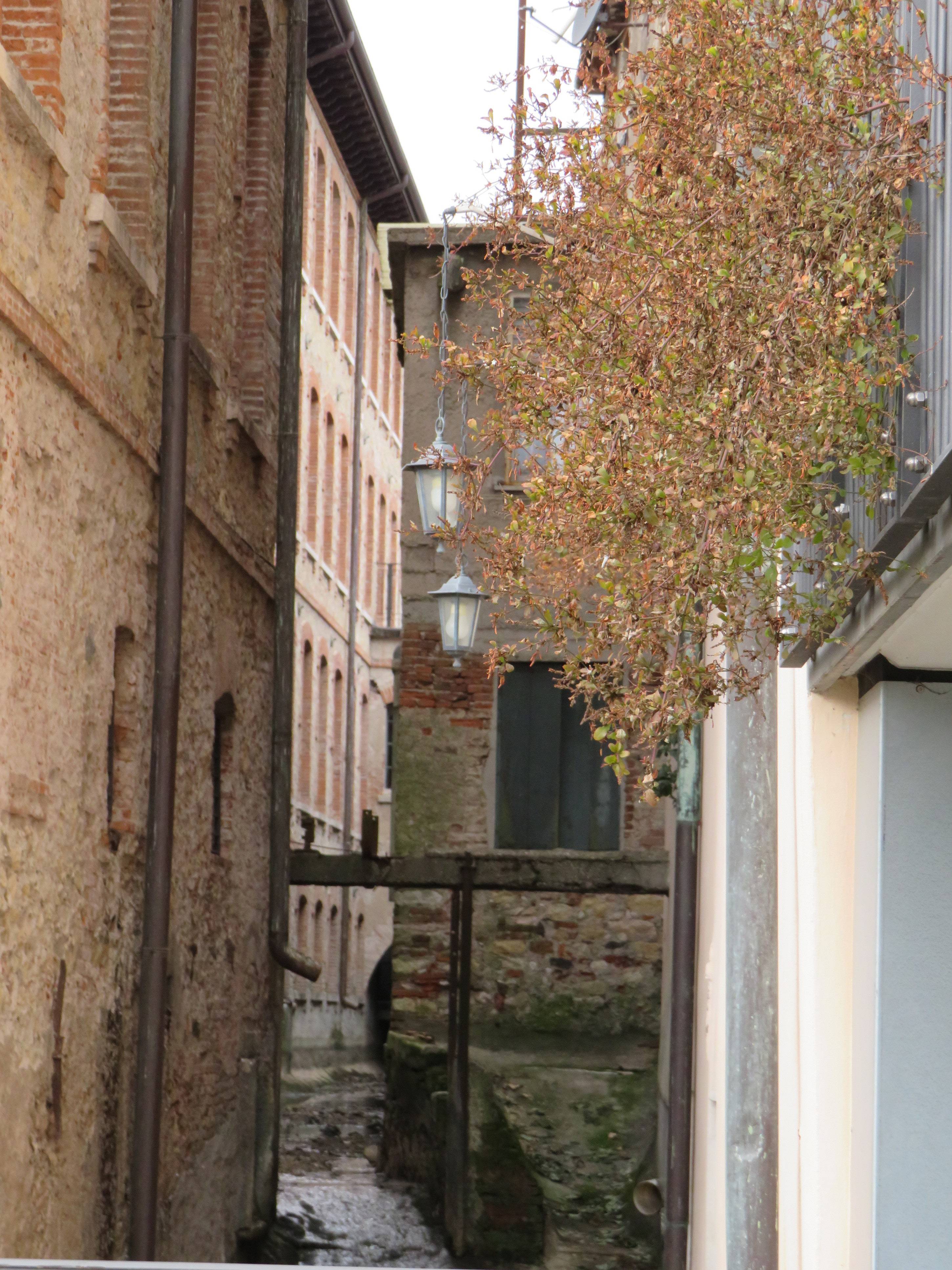
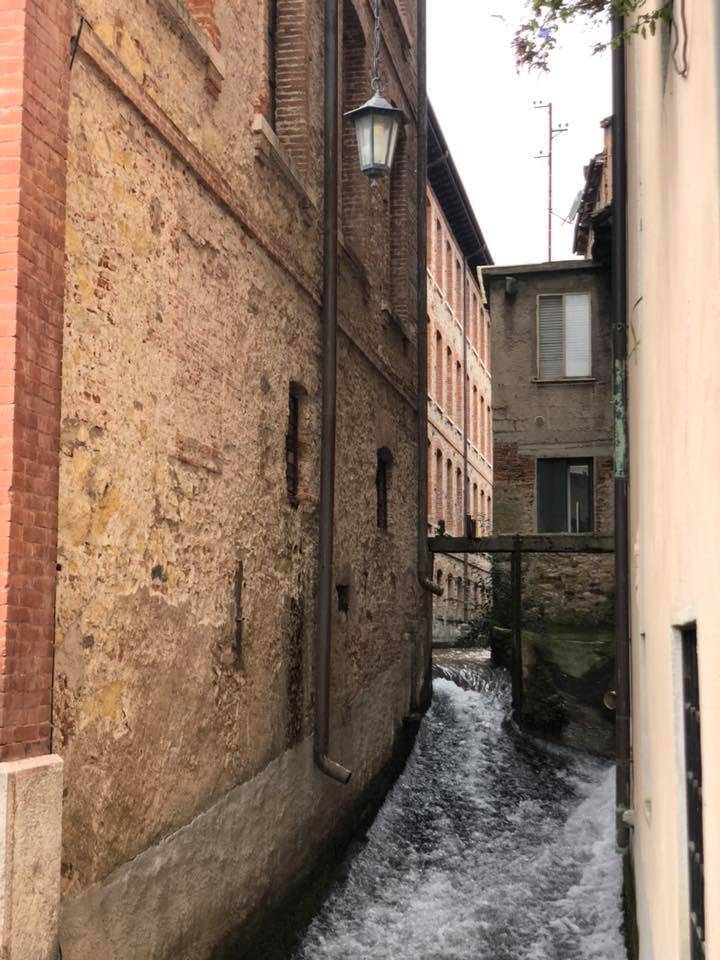
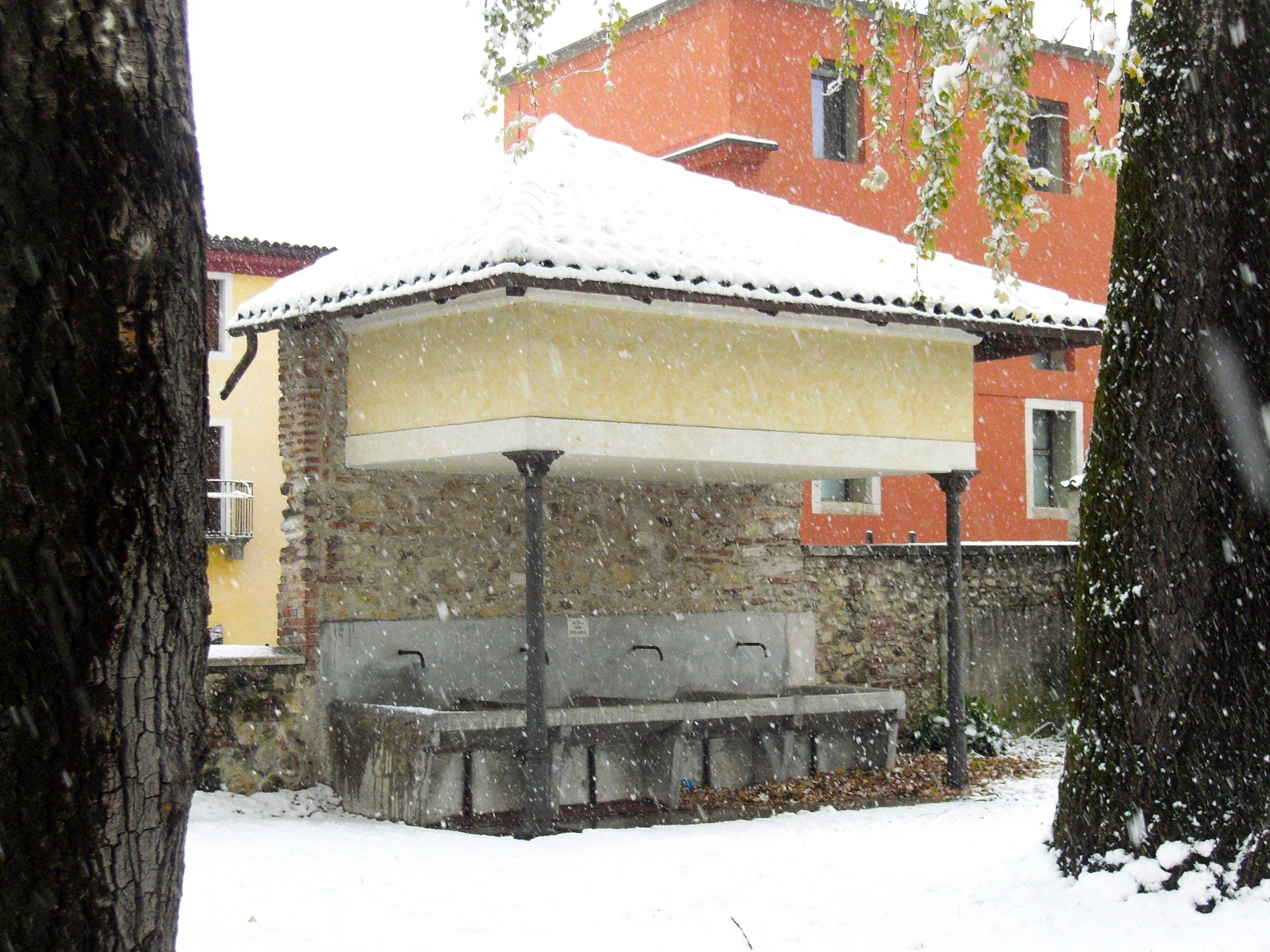
The Roggia Maestra is an artificial canal, which, for the time in which it was built and the purpose it served, represents the origin of the manufacturing processes and the industrial development of the territory of Vicenza. It branches from the Leogra stream in Rillaro (a village near Torrebelvicino) and flows back into the Leogra just past the town of Villaverla. From a hydrological point of view the Val del Leogra (Leogra valley), in which Schio is located, is characterized by a thick net of tributaries that convey their waters into the unstable riverbed. In the middle ages, hydraulic energy was used probably from the 13th century, and the main canal of the Roggia Maestra was probably dug to generate additional branches. In the Municipal Statute of 1393, a number of regulations are established on how the water should be used as well as the penalties issued to whoever polluted the water or used it without permission. The use of the Roggia waters was again regulated in the 19th century with the institution of the Roggia-Schio-Marano-Rio dei Molini Consortium. Initially, the channel was used to irrigate fields, but between the 17th and the 18th centuries, many changes were made , consequently to the concession in 1701 from Vicenza of the licence to produce more refined textiles. From this moment onwards there was a rapid increase in the construction of pre-industrial structures, mostly used for textile production: this was testified by the large number of petitions by mill owners to transform their wheels for carding and milling. All the production plants established here in the 19th century were built along the artificial canal in order to exploit the traction force created by hydraulic wheels or steam production. By the end of the 19th century, hydraulic power was gradually replaced by electricity and this led to a decline in the use of the Roggia. Some of the old floodgates are still visible along the urban course of the Roza, which is mostly underground.
Gallery
Related
Nearby


EVENT IN EVIDENCE
Sport
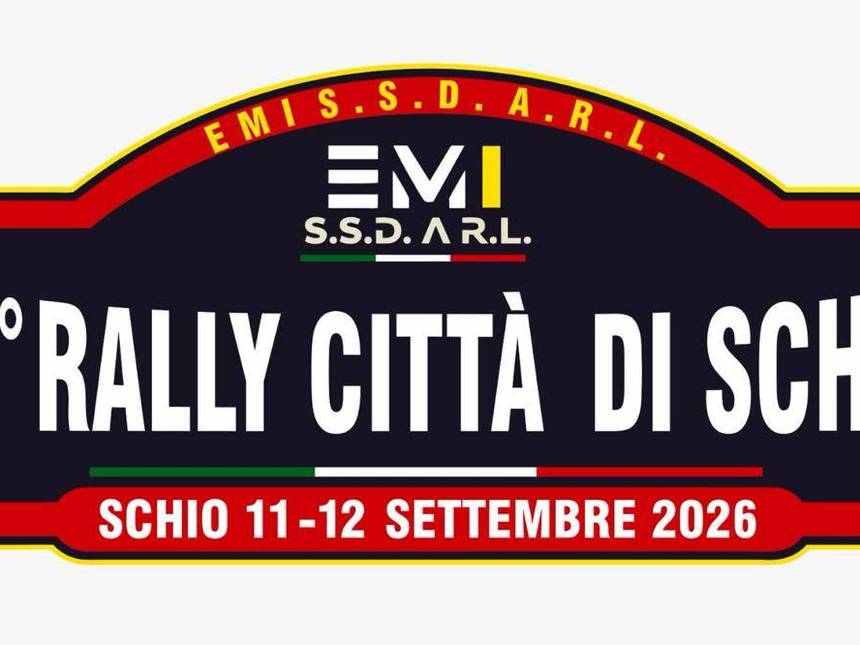
34° Rally Città di Schio & 8° Rally Storico Città di Schio
Rally
Start: 11 Sep 15:51
End at: 12 Sep 18:00