Places of historical interest
The ‘’Caussa Shacks’’: the forgotten history of a neighborhood
Description
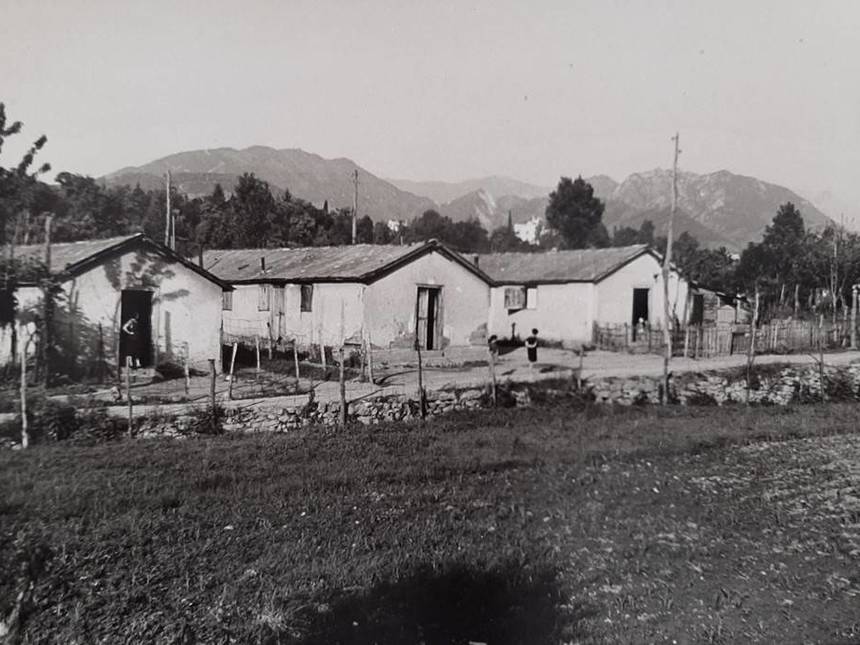
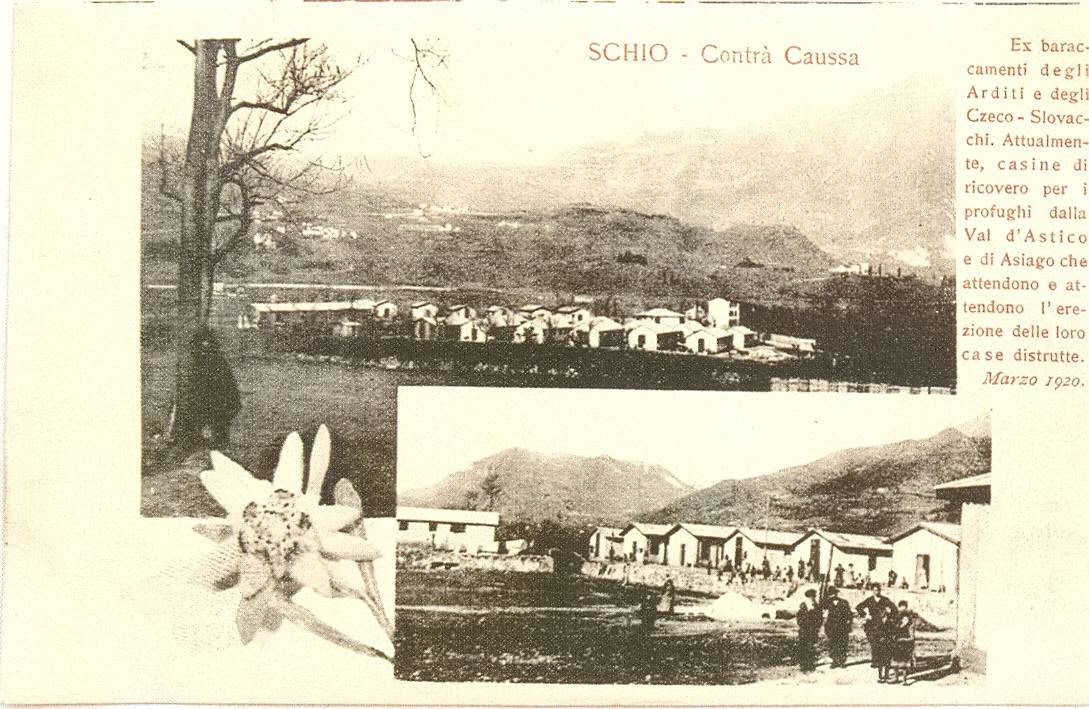
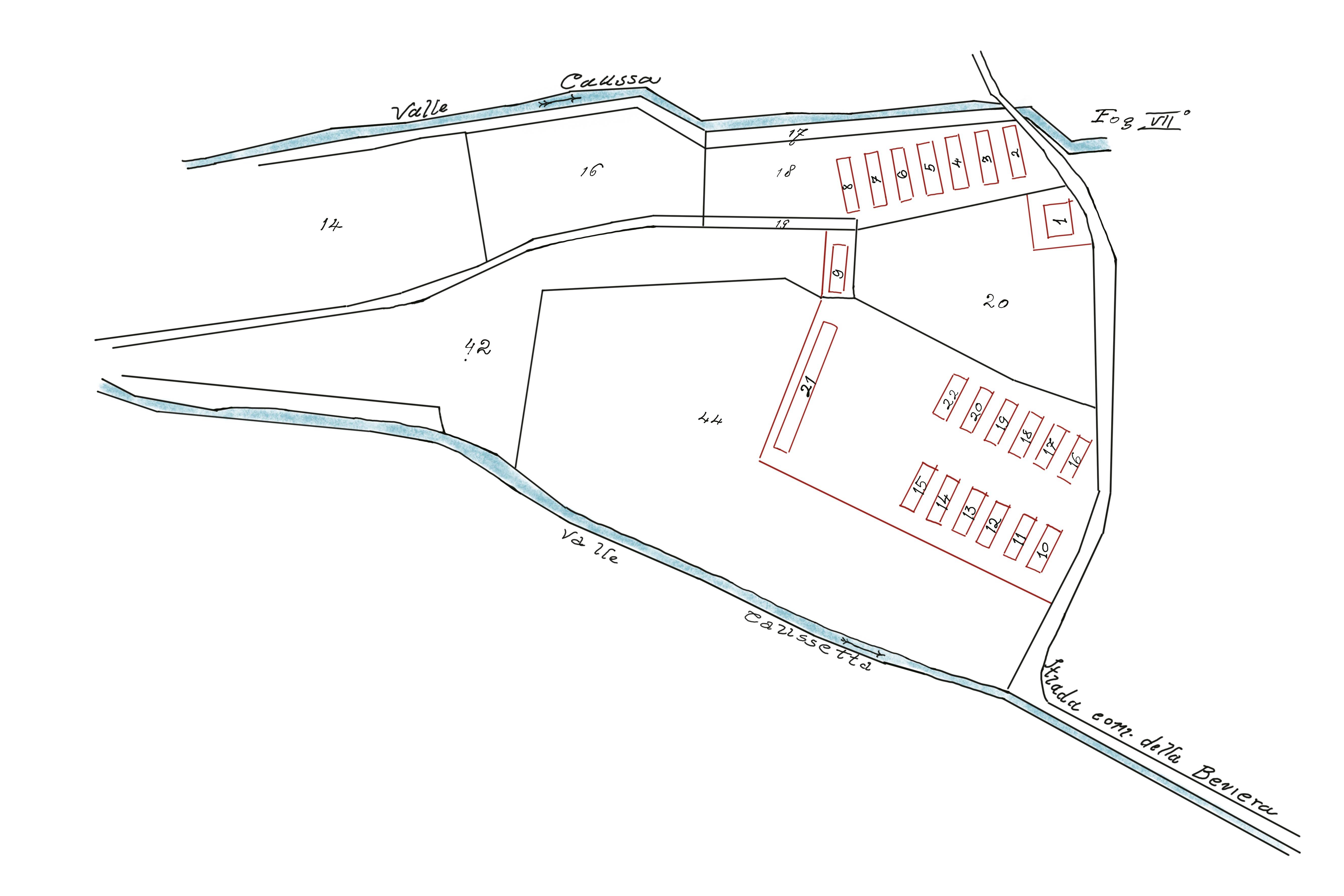
In the Santissima Trinità neighborhood, now lively and modern, an important piece of history has been largely forgotten. Beginning in 1916, in an area then surrounded by fields and a few scattered houses, twenty-two narrow, makeshift wooden shacks were built between the Caussa and Caussetta streams to shelter refugees fleeing the Altopiano dei Sette Comuni and the upper Valle dell’Astico.
The exodus was a direct consequence of the Strafexpedition of May 1916, when the austro-hungarian army attacked Italian lines and, in a few days, reached Asiago, occupying the entire basin, advancing as far as Velo d’Astico, and then climbing Mount Priaforà. The population was forced to abandon their homes and move toward the plains, carrying only what they could save, in conditions of profound despair. A significant number of these refugees arrived in Schio, where, between late summer and early autumn 1916, the military authorities began constructing shacks to serve as a temporary place of refuge, awaiting a return that, for many, would be made impossible by the destruction of their original homes. Approximately 700 displaced people from Velo d’Astico, Arsiero, and Posina - homeless and in need of sustenance - found shelter there.
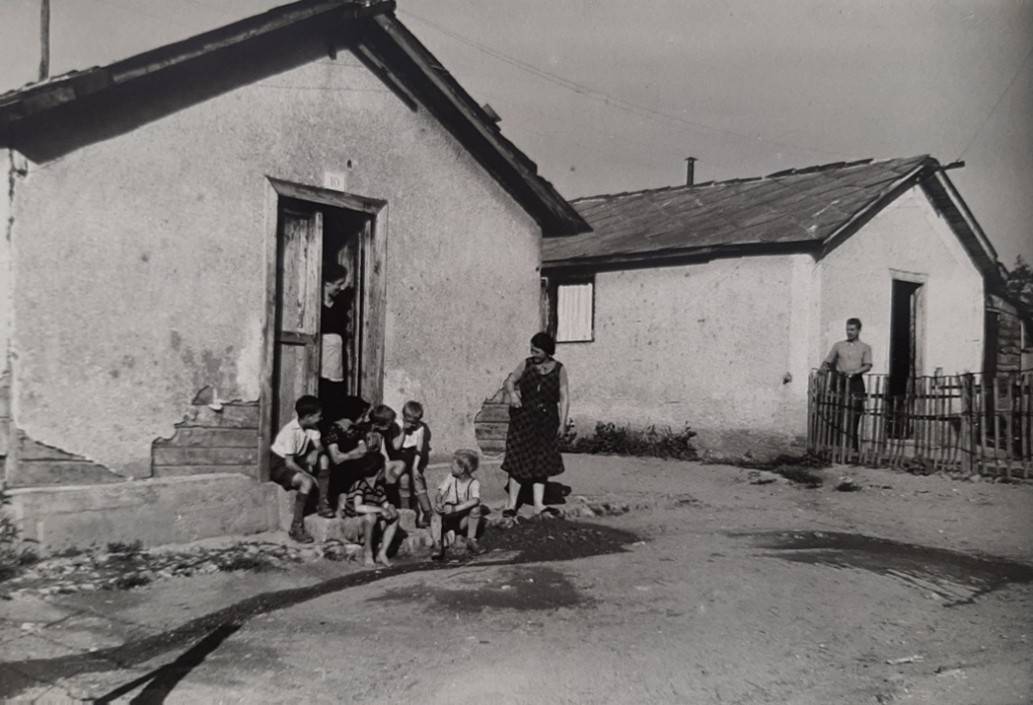
Initially, sixteen shacks were built: an aerial photograph from that same year clearly shows shacks numbered 1 to 8 along what is now Via Cordenons, number 9, and another group of six shacks in the southern portion of the area, at the corner of the future Via Caussa and Via Righi. Their number was increased in the early 1920s to accommodate families who could not yet return to their homes, destroyed by the war. Each shack, equipped with electric lighting, contained an adequate number of iron beds and chairs for its occupants, along with a cooking stove, coat rack, cupboard, table, and washstand.
The location was chosen deliberately for practical reasons: it lay outside the town center, far enough to avoid overcrowding; it was situated between two streams that provided water for daily needs; and it was close to the railway line connecting Schio with Arsiero and the Altopiano, the refugees’ places of origin. Trains were used for transporting both the displaced and troops, who sometimes shared the shacks with civilians. In 1918, a particularly unusual military unit arrived: the Czechoslovak Legion, composed of Czech and Slovak prisoners eager to gain independence from the austro-hungarian Empire.
Soon, the mayor began receiving numerous requests from citizens who, though not war refugees, were living in extreme poverty in dilapidated and often unsafe houses. After months of negative responses from the Works Directorate of the X^ Zone, six new residential shacks were finally constructed for needy Schio families without housing. The neighborhood thus took on its definitive form. By June 1922, forty-eight families, totaling 257 people, were living in the shacks: 142 from the historic center, 12 from peripheral areas, 21 from other municipalities, 37 from war-affected zones, and 45 repatriates from abroad. Coexistence in such cramped spaces of so many people from diverse backgrounds - but united by poverty, hunger, and daily hardships, often without steady employment or prospects - generated tensions and complaints from the neighbors.
In 1924, the shacks, transferred from the military administration to the municipality, were subsequently sold to the owners of the land on which they stood: numbers 1 to 8 to Giovanni Ruaro, and numbers 9 to 22 to the Cerisara brothers - Virgilio, Valentino, Pietro and Antonio.
During the Second World War, the shacks were again used to house a new wave of refugees. After the armistice with the anglo-american forces on September 8, 1943, displaced persons arrived from areas near the southern front. The largest group, arriving in December 1943 from Suio, a district of Castelforte (LT), consisted of fifty-seven people forced to abandon their homes due to German roundups. Unable to bring any belongings, they were transported by truck to Rome, then continued by train to Schio, facing the harsh Northern winter under precarious conditions. After the initial chaotic transfers, the families were gathered in a single building, one of the Caussa shacks. They left Schio on June 1, 1945, after contributing to the erection of a roadside shrine dedicated to Our Lady of the Rosary, still standing at the corner of Via Caussa and Via Volta, as a gesture of gratitude for the war’s end.
Postwar urban transformations and population movements profoundly affected the fate of this unique neighborhood. The opening of a new northern thoroughfare through the “brolo del Conte’’ - the future Piazza Almerico da Schio - and building expansion linked to the construction of the new civil Hospital, led to the gradual abandonment and dismantling of the shacks. Memories of life in the neighborhood survive today through the testimonies of those born and raised there, in what residents - with bitter irony - called “Little Paris”: an attempt to lend a touch of sophistication to a cluster of poor houses that resisted the relentless advance of urban development.
Today, only three shacks remain: numbers 11 and 12 on Via Caussa and number 6 on Via Cordenons, whose structures have changed little in more than a century, since they were built to provide shelter for people fleeing the horrors of war.
Gallery
Related
EVENT IN EVIDENCE

Meetings
Freddie Mercury. Una biografia intima
Un racconto esclusivo sulla vita privata e artistica attraverso gli occhi della persona che gli è stata accanto per 11...
Start: 10 Oct 17:00
End at: 10 Oct 19:00